


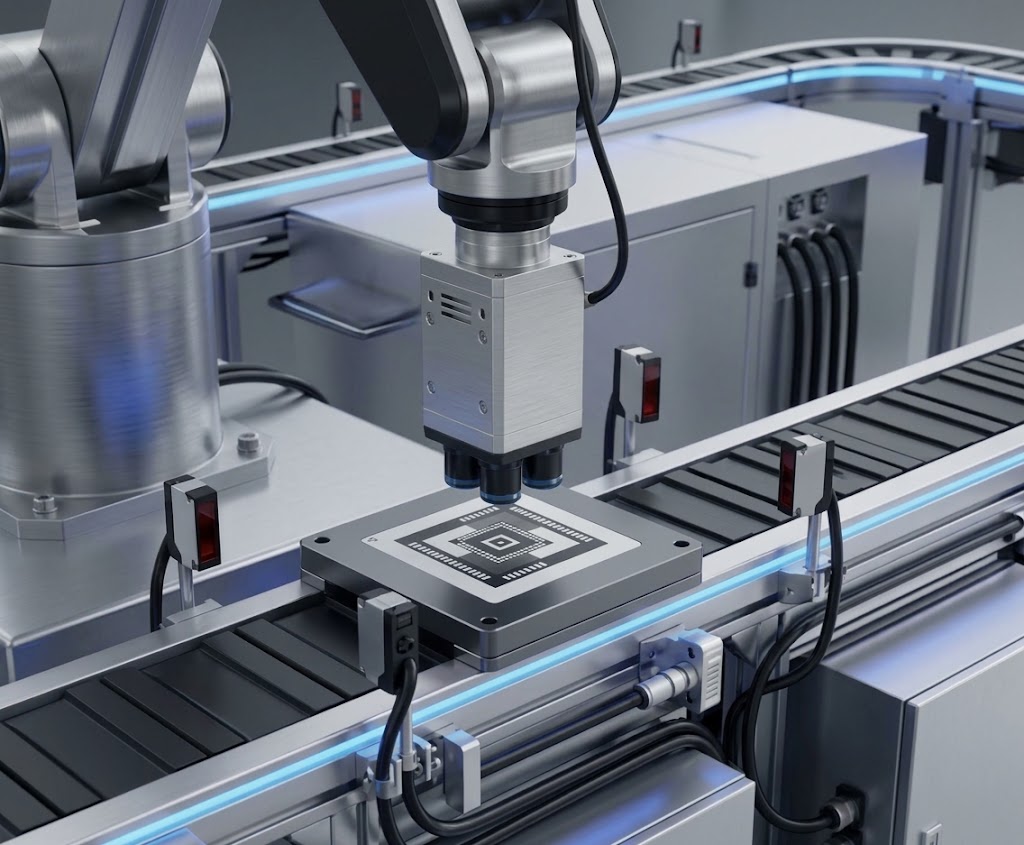
How to Select the Right Waterproof Cables for Industrial Pressure and Temperature Sensors
In modern industrial automation, pressure and temperature sensors act as the critical “eyes and ears” of processing lines, hydraulic networks, HVAC systems, and manufacturing equipment. While engineering teams invest heavily in selecting high-precision sensor heads, overall system reliability often depends on a frequently overlooked component: the waterproof cable assembly.
Industrial sensors continuously face harsh conditions—from high-pressure water jets and synthetic cutting fluids to extreme thermal cycles and severe mechanical vibration. A single moisture ingress point or corrupted signal line can lead to inaccurate sensor readings, unexpected process downtime, or costly equipment failure. Choosing the right waterproof cable assembly is essential for maintaining signal integrity and ensuring long-term operational uptime.
1. Matching IP Ingress Protection Ratings to Sensor Environment
Understanding the exact moisture, dust, and pressure exposure in your operating environment is the baseline requirement for selecting a cable connector interface. Ingress Protection (IP) ratings, defined under IEC 60529 standards, indicate how effectively the cable seal prevents liquid and particulate intrusion:
IP67 (Temporary Immersion): Designed for standard factory automation where sensors experience light splashing, high ambient humidity, or occasional washdowns. Connectors must withstand water immersion up to 1 meter for 30 minutes without leaking.
IP68 (Continuous Submersion): Essential for liquid level pressure sensors, submersible temperature probes, and outdoor hydrological monitoring. IP68 ratings are tailored to specific manufacturer conditions, certifying continuous operation at specified depths and hydrostatic pressures over extended periods.
IP69K (High-Pressure & High-Temperature Washdown): Mandatory for food, beverage, and pharmaceutical processing equipment. Connectors must resist close-range sanitation washdowns using high-pressure water jets (80–100 bar) at elevated temperatures (up to 80°C) from multiple angles.
2. Cable Jacket Materials: Selection Guide for Sensor Protection
A cable’s outer jacket is its primary defense against environmental degradation. Pressure sensors frequently encounter industrial lubricants and hydraulic fluids, while temperature sensors require high thermal stability.
Choosing the wrong material can cause jacket swelling, hardening, or cracking over time, allowing moisture to penetrate the internal conductors. The technical matrix below compares standard jacket compounds to help align cable selection with your operational requirements:
| Jacket Material | Oil & Chemical Resistance | Flex & Abrasion Life | Temperature Range | Ideal Sensor Applications |
| PVC (Polyvinyl Chloride) | Low to Medium | Standard | -20°C to +80°C | Cost-effective indoor sensors, HVAC systems, stable factory environments |
| PUR (Polyurethane) | High (Coolants, Oils, Solvents) | Exceptional (Drag-Chain Ready) | -40°C to +90°C | CNC machine pressure sensors, robotic temperature sensing, dynamic automation |
| TPE / FEP (Fluoropolymer) | Superior (Acids, Alkalis, UV) | High | -50°C to +125°C+ | Chemical processing sensors, outdoor weather stations, high-temp thermal probes |
3. Overmolded Construction vs. Field-Assembly for Sealing Integrity
How a cable joins its connector interface directly determines its long-term resistance to water wicking and moisture migration:
Field-Attachable Connectors: Assembled manually on-site using screw terminals and internal rubber compression grommets. While flexible for quick field modifications, they are vulnerable to installer error, incomplete torqueing, and rubber seal degradation caused by thermal expansion and mechanical vibration over time.
Overmolded Cable Assemblies: Manufactured using high-pressure injection molding that fuses the connector shell, strain relief, and cable jacket into a solid, seamless polymer unit. Overmolding encapsulates internal solder joints or crimp terminals, completely eliminating air gaps. This forms an impermeable barrier that prevents water from migrating along the conductor cores into control cabinets, even if the outer cable jacket becomes damaged downstream.
4. Shielding and Anti-Interference Design for Signal Integrity
Pressure and temperature sensors transmit low-voltage analog signals (e.g., 4–20 mA current loops, 0–10 V DC, or Pt100/Pt1000 RTD resistance fluctuations) or digital fieldbus protocols (such as IO-Link or Modbus).
In industrial environments, these sensitive signal cables are routinely routed alongside high-voltage power lines, variable frequency drives (VFDs), and heavy industrial motors, exposing them to severe Electromagnetic Interference (EMI) and Radio Frequency Interference (RFI). High-performance sensor cables incorporate multi-layer shielding strategies:
Aluminum Foil Shielding: Provides 100% coverage against high-frequency electronic noise.
Tinned Copper Braid Shielding: Delivers superior mechanical strength and protection against low-frequency magnetic interference, typically offering 85% to 95% coverage.
Twisted-Pair Conductor Geometry: Cancels out crosstalk and induced magnetic noise in differential signal lines.
5. Vibration-Resistant Locking Mechanisms
Sensors mounted directly on hydraulic pumps, air compressors, diesel engines, or stamping presses are subject to continuous high-frequency vibration and impact loads. Standard friction-fit or loosely threaded interfaces can loosen over time, leading to seal displacement, intermittent signal dropouts, or total electrical disconnection.
To maintain a constant IP-rated seal under harsh vibration, industrial sensor cable assemblies utilize specialized locking mechanisms:
Threaded M8 / M12 Coupling Nuts: Made from nickel-plated brass or stainless steel for corrosion resistance, featuring defined torque limits.
Integrated Anti-Vibration Ratchets: Internal tactile teeth in the coupling nut lock the connection in place, preventing self-loosening from machinery vibration.
Push-Pull Quick-Lock Systems: Provide instant blind mating with visual or audible click verification, ideal for tight installation spaces where torque wrenches cannot fit.
6. Custom Strain Relief and Pinout Configurations for OEM Integration
Original Equipment Manufacturers (OEMs) demand sensor cable assemblies that not only withstand harsh environments but also integrate seamlessly into streamlined production lines:
Optimized Strain Relief (Flex Relief): Flexible, contoured grommet tails control the bend radius at the connector exit, preventing wire fatigue and internal conductor breakage in high-flex applications.
Tailored Wire End Preparation: Pre-stripped jacket lengths, color-coded insulation, tinned lead ends, or pre-crimped ferrule terminals allow assembly technicians to wire sensors directly into junction boxes or PCB terminals without extra manual prep work.
Custom Pinouts and Hybrid Constructions: Customized pin assignments and hybrid cable structures can combine DC power feed and shielded signal lines into a single compact cable, reducing overall machine footprint and wiring complexity.
Frequently Asked Questions (FAQ)
Q1: What is the difference between IP68 and IP69K waterproof ratings for sensor cables?
Answer: IP68 certifies that a cable assembly can withstand continuous submersion in water at specified depths and pressures over extended periods. IP69K specifically certifies protection against close-range, high-pressure, and high-temperature water jets commonly used during washdown sanitation in food and beverage plants.
Q2: Why is PUR preferred over PVC for pressure sensor cables in machine tools?
Answer: CNC machines and hydraulic units constantly spray synthetic coolants and cutting oils. Standard PVC jackets absorb these chemicals over time, causing the cable to harden, swell, and crack. PUR (Polyurethane) provides superior chemical resistance, extreme toughness, and high flex fatigue resistance.
Q3: How does improper cable shielding affect industrial temperature sensors?
Answer: Temperature sensors like RTDs (Pt100/Pt1000) and thermocouples generate small electrical resistance or voltage changes. Unshielded cables pick up EMI noise from nearby machinery, causing temperature readings to fluctuate erratically or triggering false system alarms.
Q4: Can custom waterproof cable assemblies combine both power and signal lines?
Answer: Yes. Hybrid cable assemblies integrate larger-gauge power conductors alongside shielded, twisted-pair data lines within a single overmolded cable. This saves installation space and reduces overall wiring complexity on industrial sensors.
Partner with Dongguan Yuanyue Electronics (YYE) for Custom Sensor Harness Solutions
At Dongguan Yuanyue Electronics Co., Ltd. (YYE), we specialize in manufacturing high-durability, custom waterproof cable assemblies and precision interconnect solutions for industrial sensors, robotics, and automated machinery.
Backed by full OEM/ODM capabilities, in-house mold development, automated injection overmolding, and 100% electrical and waterproofing testing, YYE delivers custom cable solutions engineered to your exact specifications.
Looking for reliable waterproof cable assemblies for your sensor products?
Visit www.yyecon.com or contact our engineering team today to request custom product samples and technical quotes!
