


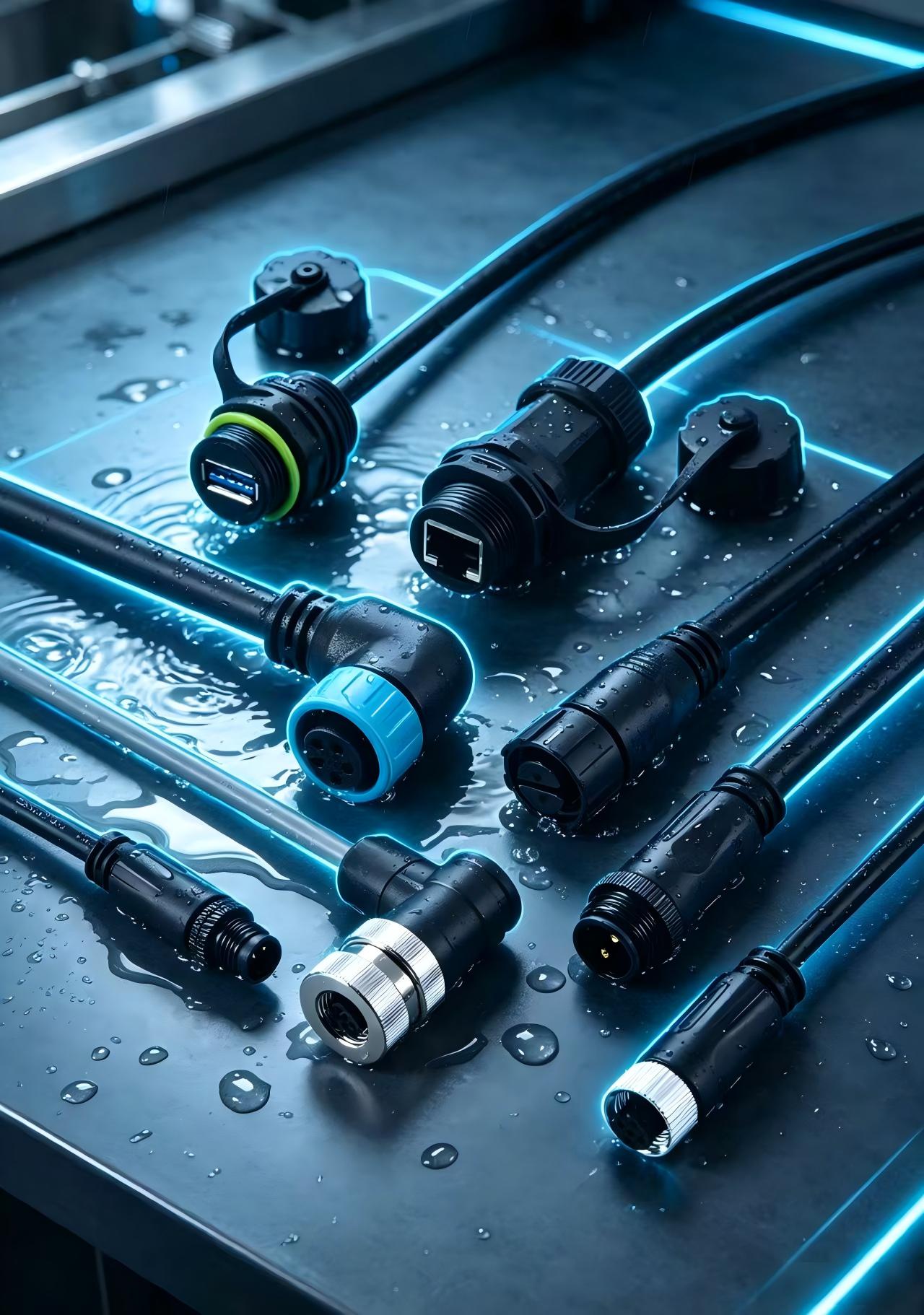
Waterproof circular cable connectors are widely used in industrial automation, outdoor equipment, marine electronics, robotics, medical devices, and other demanding applications. Designed to withstand moisture, dust, vibration, and harsh environments, they play a critical role in ensuring reliable power and signal transmission.
However, even high-quality connectors can fail if they are improperly selected, installed, or maintained. Understanding the most common causes of connector failure can help reduce downtime, lower maintenance costs, and extend equipment life.
1. Water Ingress Due to Improper Sealing
One of the most common causes of connector failure is water entering the connector.
This usually happens because of:
- Damaged or worn O-rings
- Incorrect cable diameter for the cable gland
- Loose threaded coupling
- Improper installation
- Aging or cracked sealing materials
Once moisture enters the connector, it can lead to corrosion, short circuits, and electrical failure.
Tip: Always verify the sealing components before installation and ensure the connector is fully tightened to maintain its IP rating.
2. Corrosion of Metal Contacts
Waterproof connectors are often used in outdoor or marine environments where humidity, salt spray, and chemicals can accelerate corrosion.
Corroded contacts may result in:
- Increased contact resistance
- Unstable signal transmission
- Voltage drop
- Intermittent electrical connections
Choosing connectors with gold-plated contacts and corrosion-resistant housings can significantly improve long-term reliability.
3. Improper Cable Installation
Even if the connector itself is waterproof, incorrect cable installation can compromise its performance.
Common installation mistakes include:
- Using cables outside the recommended diameter range
- Over-tightening or under-tightening the cable gland
- Excessive bending near the connector
- Insufficient strain relief
Proper cable installation helps protect both the sealing system and internal contacts.
4. Mechanical Damage
Waterproof circular connectors are designed to withstand vibration and impact, but excessive mechanical stress can still cause failure.
Typical causes include:
- Frequent pulling on the cable
- Dropping equipment
- Excessive vibration
- Improper mating and unmating
Mechanical damage may deform the housing or misalign the contacts, affecting electrical performance.
5. Contact Wear from Frequent Mating Cycles
Every connector has a rated mating cycle life.
Repeated plugging and unplugging can gradually wear the contact surfaces, leading to:
- Poor electrical contact
- Higher insertion force
- Increased contact resistance
- Signal interruption
Selecting connectors with higher mating cycle ratings is recommended for applications requiring frequent maintenance.
6. Overloading the Connector
Using a connector beyond its rated current or voltage can generate excessive heat.
Overloading may cause:
- Burned contacts
- Melted insulation
- Reduced connector lifespan
- Permanent electrical damage
Always select a connector with electrical ratings appropriate for your application.
7. Choosing the Wrong Connector for the Environment
Not every waterproof connector is suitable for every application.
For example:
- Outdoor equipment requires UV-resistant materials.
- Marine applications require excellent salt spray resistance.
- Industrial machinery may require oil-resistant connectors.
- High-vibration equipment benefits from threaded locking mechanisms.
Selecting a connector designed for the actual operating environment is essential for long-term performance.
How to Prevent Waterproof Circular Connector Failure
To maximize connector reliability, consider the following best practices:
- Select the correct IP protection rating.
- Use connectors with corrosion-resistant materials.
- Install cables according to the manufacturer’s specifications.
- Avoid exceeding the rated current and voltage.
- Inspect sealing components regularly.
- Replace damaged O-rings or connectors promptly.
- Protect connectors from excessive mechanical stress.
Routine inspection and proper installation can significantly reduce unexpected failures.
Conclusion
Most waterproof circular cable connector failures are not caused by manufacturing defects but by improper selection, installation, environmental exposure, or excessive mechanical and electrical stress.
By understanding these common failure modes and following proper installation and maintenance practices, you can improve equipment reliability, reduce maintenance costs, and extend the service life of your connectors.
At Yuanyue Electronics, we manufacture high-quality waterproof circular connectors and custom cable assemblies for industrial, outdoor, and marine applications. With over 18 years of manufacturing experience, we provide reliable OEM and ODM solutions to help customers build durable and dependable connection systems.
1. What is the most common cause of waterproof connector failure?
The most common cause is water ingress, usually due to damaged seals, improper installation, or loose locking mechanisms.
2. Can a waterproof connector still fail in wet environments?
Yes. If the connector is not properly installed, exceeds its IP rating, or has worn sealing components, moisture can still enter and cause failure.
3. How can I extend the service life of a waterproof circular connector?
Choose the correct connector for your application, install it properly, avoid overloading, and inspect the seals and contacts regularly.
4. Why do connector contacts become corroded?
Corrosion is often caused by prolonged exposure to moisture, salt spray, or chemicals. Gold-plated contacts and corrosion-resistant housings can help improve durability.
5. How do I know if I need to replace a waterproof connector?
Signs such as unstable signals, increased contact resistance, visible corrosion, damaged seals, cracked housings, or loose connections usually indicate that the connector should be replaced.
